
Queensland builder says migration delays are worsening the construction skills shortage
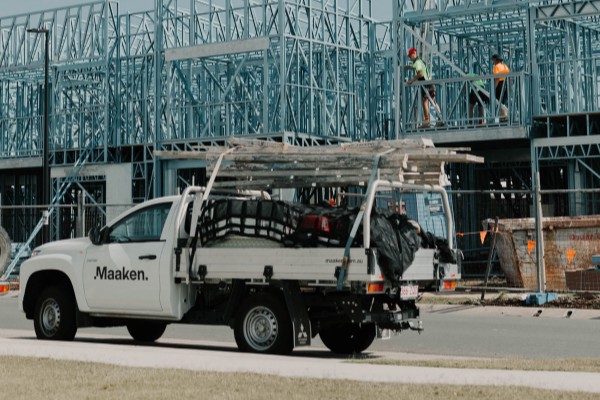
A Queensland construction company has warned that Australia’s migration system is making it too difficult to bring in skilled tradespeople at a time when the housing supply gap is widening.
Maaken general manager Jake Green says the business has spent months trying to secure experienced carpenters and builders from overseas to support projects across Southeast Queensland, only to be slowed by lengthy processing times and complex requirements.
ADVERTISEMENT
Jake outlined that Maaken has followed the standard employer-sponsored skilled visa pathway under the skills in demand framework, working with reputable migration lawyers and labour-hire partners, but the process remains slow and administratively heavy.
“We are not trying to bypass Australian workers; we are trying to grow industry capacity by combining small, highly skilled overseas crews with local labour and apprentices,” he says.
“These trades are already recognised shortage occupations, yet the pre-lodgement requirements alone include detailed role definitions, market-salary evidence, labour market testing, extensive documentation and skills assessments. That is all before the sponsorship, nomination and visa stages even begin.”
Construction Skills Queensland forecasts an average shortfall of about 18,200 construction workers per year across the state over the next eight years, highlighting the scale of the workforce challenge facing the industry.
Jake says the delays in bringing in skilled migrants are at odds with repeated government statements acknowledging the severity of Queensland’s construction labour shortage.
“We hear daily that Queensland needs more homes and more skilled workers. But the current system slows down the very workers who can help solve the problem,” he says.
“Overseas tradespeople brought strong formal training, technical skill and experience on comparable systems, which meant install times improved straight away and the quality and consistency of work was very high. Productivity per person was markedly higher and it helped us keep difficult façade and firewall packages on track.”
Jake says the workers integrated well into existing site teams and were willing to take on demanding roles.
“It is clear that overseas trades are an important part of closing the skills gap, but the policy settings and processing times need to reflect the urgency we are seeing on the ground,” he explains.
“Without that, Queensland’s housing and infrastructure delivery will continue to fall behind.”
-
ADVERTISEMENT
-
ADVERTISEMENT
