
LIB launches HomeStack battery and Inverter system
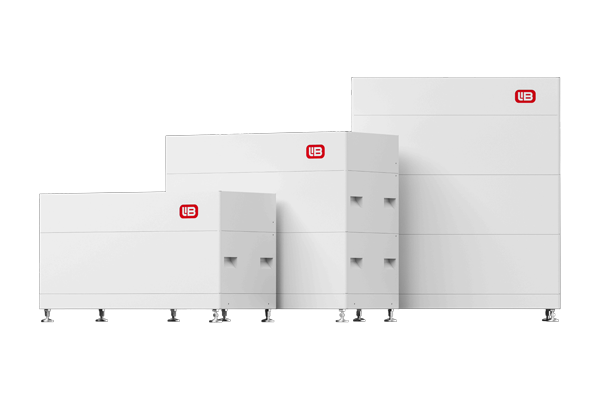
LIB has released its residential battery solution, LIB HomeStack and the LIB Inverter for residential living.
Rather than repurposing larger-scale technology, LIB says its systems are developed from the ground up to integrate seamlessly into everyday home environments.
ADVERTISEMENT
“A home isn’t an industrial site and we believe home battery systems should reflect that. LIB gives Australian homes a solar battery storage option that feels like a natural part of the house. Simple, reliable and designed for everyday living,” LIB chief marketing officer Leo Li says.
“With flexible capacity options, households can select the right size from the outset, whether they’re planning for EV charging, renovations or a growing family.”
LIB HomeStack features a clean, minimal design and operates at under 25dB, enabling installation in and around living spaces without disruption. Softened edges and subtle indicator lighting are intended to help the system blend into residential settings.
The modular platform is available in 16kWh, 32kWh and 48kWh configurations, allowing home owners to scale storage according to their needs. The stackable, plug-and-play architecture includes a self-levelling base designed to accommodate uneven ground and varied installation conditions.
The system is capable of up to 22 years of daily use and supports 100% depth of discharge, enabling households to utilise the full stored capacity each day.
Safety features include continuous cell-level monitoring and pack-level fault isolation, with the ability to detect and isolate issues within one millisecond, providing multiple layers of protection for residential environments.
-
ADVERTISEMENT
-
ADVERTISEMENT
