
Home battery installations surge to record highs as households chase energy independence
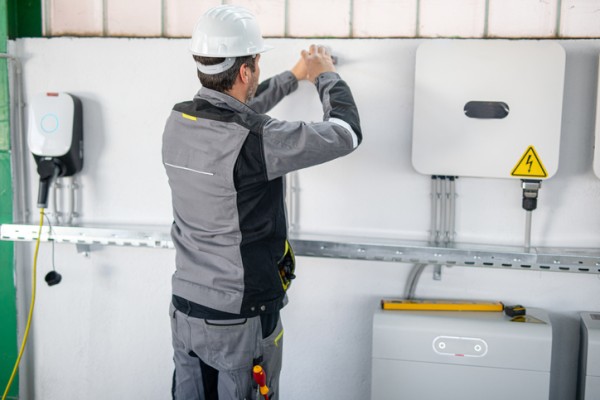
Australian households installed almost as many home batteries in the six months to the end of 2025 as they did in the previous five years combined, setting a new national record as families and businesses look to cut power bills and boost energy independence.
The Clean Energy Council’s bi-annual Rooftop Solar and Storage Report (July–December 2025) shows more than 183,245 battery units were sold in the second half of last year, a four-fold increase on the same period in 2024. That figure represents 99% of all battery sales made between 2020 and 2024 and brings total household battery installations to 454,753 nationwide.
ADVERTISEMENT
Rooftop solar uptake remained strong, with more than 139,080 systems installed in the latter half of 2025. While overall solar installations eased slightly across the year, falling to 254,664 systems from 300,375 in 2024, rooftop solar continues to expand its contribution to the grid, supplying 14.2% of Australia’s electricity in 2025, almost double its share in 2020.
Australians added 2.6GW of new rooftop solar capacity during 2025, just shy of the output of the country’s largest coal-fired power station. NSW leads the nation in installed capacity, while Queensland has the highest number of systems in place.
Clean Energy Council chief executive Jackie Trad says government incentives had accelerated an already strong shift toward rooftop solar and storage.
“Our biggest power station now resides on the rooftops of more than 4.3 million households, which is helping to drive downward pressure on power bills for consumers and businesses,” she says.
Australia’s rooftop solar capacity now totals 28.3GW, exceeding the entire coal-fired generation fleet and leads the world on a per capita basis.
“We know Australians have long had an appetite for energy independence to drive down bills, but recent government home battery programs have strapped a rocket to this momentum,” Jackie says.
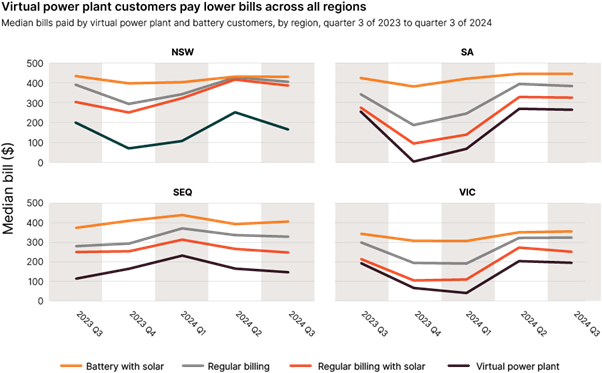
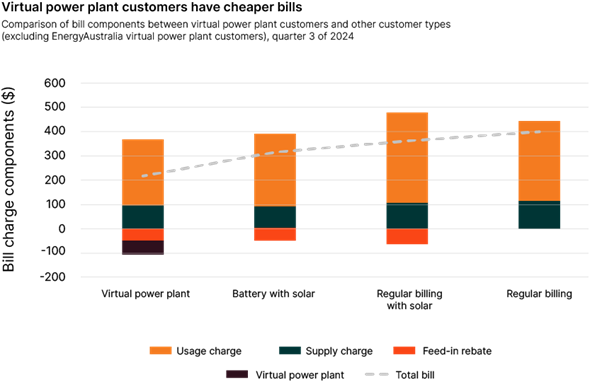
The report also highlights the growing role of virtual power plants, with households that combine solar, batteries and VPP participation paying the lowest power bills in the country.
“Encouraging stronger participation in VPPs is more important than ever. It helps households save more, reduces strain on the grid and delivers benefits for all energy users. It’s a win, win,” Jackie says.
-
ADVERTISEMENT
-
ADVERTISEMENT
