
Consumers warned to check sparkie registration as disaster recovery work ramps up
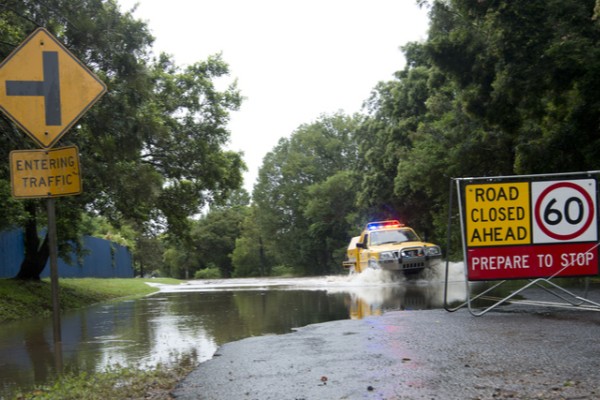
Telecommunications services are a lifeline during emergencies, supporting mobile networks, internet access, financial transactions and the rapid dissemination of critical information from authorities.
As recovery efforts begin in areas affected by floods or fires, there is a real risk of unscrupulous operators presenting themselves as cablers, particularly for home and small business installations.
ADVERTISEMENT
Telecommunications sparkies are required by law to be registered and to provide compliance certificates to clients after completing work. When visiting a client, make sure to show your registration and explain that it’s a legal requirement, helping them understand its importance for any future work. Using unqualified or unregistered sparkies can lead to unreliable services, potential safety hazards, future faults and legal consequences, so be aware for next time.
CITT chief executive and TITAB Australia head of the ACMA-accredited cabler registry Dominic Schipano, has repeatedly highlighted these dangers: “During times of crisis, many consumers are desperate to get the job done, but it is essential that it is done properly and legally.”
He warns that as restoration work starts in flood and fire-affected areas, some unregistered cablers may approach home owners and businesses, often referred through online platforms that do not verify qualifications. TITAB Australia regularly receives reports of unqualified cablers offering services to unsuspecting consumers.
Faulty cabling from unscrupulous operators can create serious safety risks and costly future problems. In disaster-affected areas, already traumatised residents are particularly vulnerable to these unscrupulous operators.
“Consumers need to remain vigilant and ensure cabling work is performed only by qualified, registered professionals. The risks of cutting corners are simply too great,” Dominic says.
-
ADVERTISEMENT
-
ADVERTISEMENT
